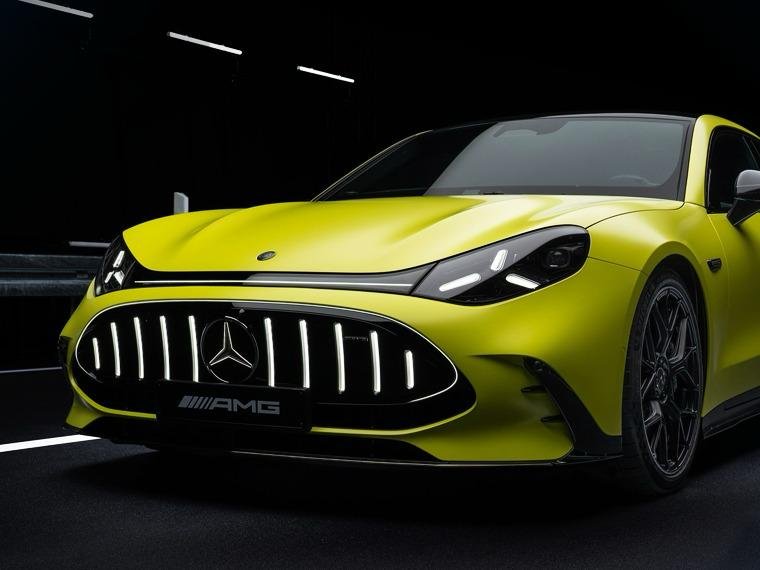
Paint Protection Film (PPF) has become the benchmark for preserving a vehicle’s finish, and the phrase you’ll hear most often is “self-healing.” It sounds like marketing, but it describes a genuine, measurable property of modern films.
What self-healing actually means
Premium PPF is built from a thermoplastic polyurethane (TPU) top layer engineered with elastomeric memory. When the surface picks up light swirl marks or fine scratches — the kind that come from washing, drying, or everyday contact — the polymer can return to its original shape. Apply gentle heat, and the affected area flows back flat, making the marks disappear.
How the heat trigger works
The “heat” required is modest. Warm water from a wash, a heat gun on a low setting, or simply a sunny day is usually enough to activate the effect. Deeper cuts that reach through the top coat won’t recover — self-healing addresses surface-level marring, not impact damage that penetrates the film.
What it protects against
- Stone chips and road debris on high-impact areas like the bonnet and bumper
- Light scratches and wash-induced swirl marks
- Etching from bird droppings, tree sap, and bug acids when removed promptly
- UV-related dulling of the paint underneath
Getting the most from it
Self-healing extends the life of the film, but good habits still matter. Use a clean two-bucket wash method, avoid abrasive automatic car washes where possible, and address contaminants quickly. Treated well, a quality PPF installation keeps factory paint looking new for years.
At Veloz, every installation uses automotive-grade film applied by trained specialists, so the protection performs exactly as engineered.
Protect your vehicle with Veloz
Speak to our specialists about the right protection package for your car.
Get a quote